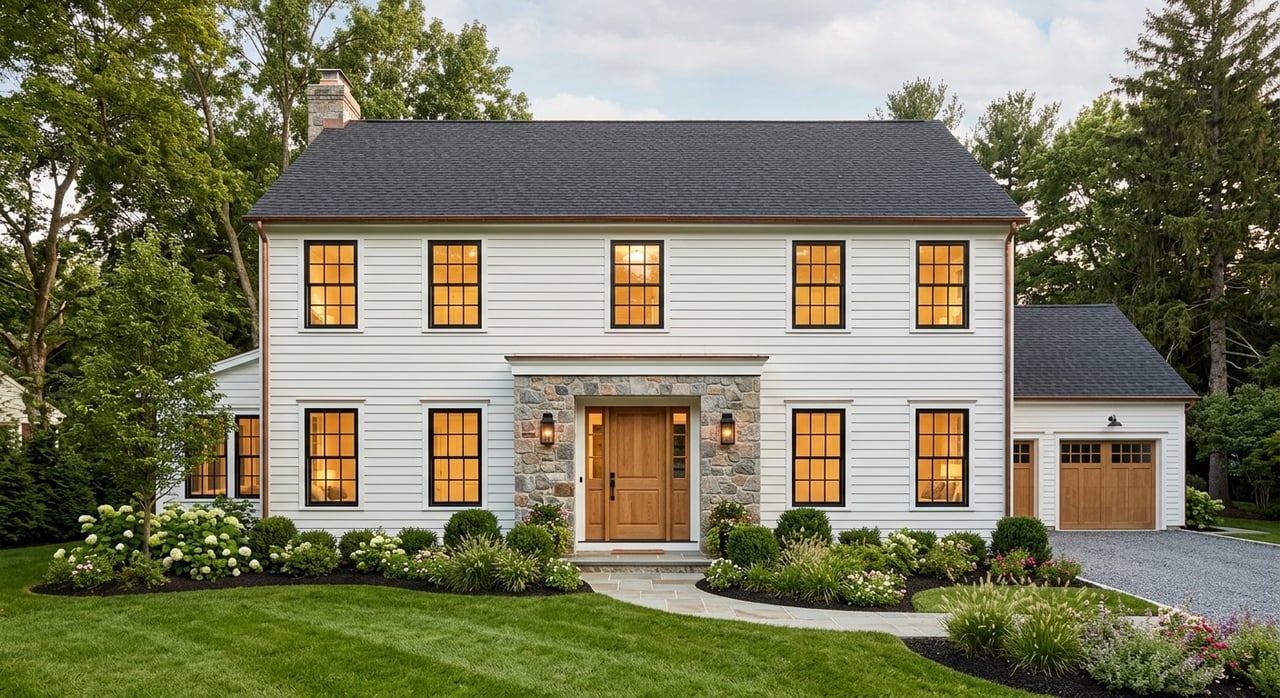
Picture this: you step off a train at North Station about 30 minutes after leaving Wakefield, then head home for a sunset lap around Lake Quannapowitt. If you want a faster Boston commute without giving up small‑town ease, Wakefield can be a smart base. In this guide, you’ll learn how the commute works, what daily life looks like, and the tradeoffs to consider before you rent or buy. Let’s dive in.
Where Wakefield fits in Greater Boston
Wakefield sits about 10 miles north of Boston with quick access to I‑95/128 and a direct connection to I‑93. The town highlights this location as a key advantage for commuters who split time between city offices and Route 128 job hubs. You also get a clear baseline for expectations: the town’s mean travel time to work is 33.2 minutes, which tracks closely with what many residents experience door to door. You can confirm these basics through the town summary and federal travel‑time data.
- Town overview and highway proximity are noted on the town site in the About Wakefield section. Learn more about the location.
- Census QuickFacts lists Wakefield’s mean work travel time at 33.2 minutes. See the federal snapshot.
The commute: rail, roads, and options
Commuter rail to North Station
If you work near North Station or downtown, the Haverhill Line is often your fastest, most reliable choice. Typical inbound runs from Wakefield land in the 28 to 33 minute range, depending on the train you catch. Peak hours feature more frequency, while midday and late evenings are lighter, so you will want to check schedules and plan backups if your hours vary. Published timetables are a good reference for travel times, and it is smart to monitor service advisories when you rely on a specific train.
- Timetable snapshots show Wakefield to North Station in about 28 to 33 minutes. Review a sample schedule.
- Wakefield has two Haverhill Line stops, Wakefield Station and Greenwood, both with low‑level platforms noted in station summaries. See the Wakefield Station overview.
Parking and last‑mile access
You will find MBTA and local parking at Wakefield and Greenwood, but spots can fill during peak times and policies can change. If you can, live within about 0.3 to 0.5 miles of the Wakefield station. That simple choice eliminates parking friction and helps you make more trains on time. Historical park‑and‑ride inventories are a useful way to understand capacity and utilization trends before you commit to a routine.
- For lot sizes and historical utilization, check the regional Park‑and‑Ride inventory. See the inventory.
Driving and highway access
Driving gives you flexibility for Cambridge, Longwood, the Seaport, and suburban job sites along I‑95/128. Wakefield’s position near these arteries is a primary reason many people choose it. Expect peak traffic to stretch travel times. If you plan to drive, test your exact route during your normal hours and consider mixed strategies such as early starts or park‑and‑ride.
- The town highlights its proximity to I‑93 and I‑95/128 as a commuter advantage. Read the town overview.
Cambridge and other hubs
Reaching Cambridge typically requires transfers after you arrive at North Station or a direct drive. Door‑to‑door times to Kendall Square or Harvard Square usually fall in a broad 45 to 75 minute range depending on routing, time of day, and your last‑mile connection. Use a live trip planner to compare a few addresses and arrival windows.
- For context on multi‑leg trips and variability, explore route examples. Check sample Cambridge routes.
Daily life around Lake Quannapowitt
Lake Quannapowitt is Wakefield’s signature amenity. The lake covers roughly 250 acres with a paved loop that most walkers and runners clock between about 3.1 and 3.6 miles, depending on the path you take. You will see joggers at sunrise, strollers and dogs in the afternoon, and plenty of neighbors enjoying the views. While the lake is a daily draw, swimming is not always recommended due to algae blooms and past water quality advisories, so plan to enjoy the loop, playgrounds, and views first.
- For lake size, loop context, and water‑use notes, consult the lake summary. Read about Lake Quannapowitt.
Downtown and dining close to the train
Wakefield’s compact downtown near the lake gives you easy errands and relaxed nights out without a long drive. You will find cafes, bakeries, sit‑down spots, and convenience retail clustered along Main Street and North Avenue. Locals often mention weekend breakfasts at Blue Moon Grill, casual dinners at Main ST. Grille & Taphouse, and Italian seafood at Tonno near the station. The mix shifts as new businesses arrive, which keeps the area interesting for commuters who used to rely on city dining.
Farmers market and community events
From mid‑June through October, the Wakefield Farmers Market sets up weekly at Hall Park and Veteran’s Field, drawing dozens of vendors and plenty of neighbors. The town also programs community events around the lake, including movies and festivals, which add to the small‑town feel many city renters look for when they move out.
- Town documents summarize market scale and recurring events by the lake. See the market and events overview.
Neighborhoods and walkability
Wakefield’s overall Walk Score averages around 49, which means you will likely want a car in many neighborhoods. The exception is the downtown and Lakeside pocket near the station and lake, where individual addresses often score in the 80s and 90s. If walking to the train, coffee, and the lake loop is part of your vision, target homes and apartments inside that core.
- For a high‑level look at Walk Score trends, start here. Explore Walk Score for Massachusetts.
The town’s bike‑pedestrian plan recommends continued improvements, including a paved 12‑foot lake loop and safer multi‑use access. If you prefer to run, bike, or walk for short errands, these changes can make car‑free days easier over time.
- Review the bike‑pedestrian plan for project details. See Wakefield’s bike‑ped plan.
Housing snapshot for renters and early buyers
Wakefield offers a mix of single‑family homes, classic multi‑families, and newer condos, including transit‑oriented buildings near the station. As of early 2026, market snapshots show typical home values in the mid‑$700,000 to $800,000 range, with average asking rents around $2,500 per month in 01880. Prices and availability shift quickly, so treat these as ballpark figures and check current data when you start your search. If you want to minimize your commute stress, focus on homes within an easy walk of the Wakefield station or a short, reliable bus ride.
Quick commuter and cost snapshot
| Category | What to expect |
|---|---|
| Nearest MBTA rail | Wakefield Station and Greenwood on the Haverhill Line |
| Typical rail time | About 28–33 minutes to North Station |
| Mean travel time to work | 33.2 minutes in Wakefield |
| Overall walkability | Town average Walk Score around 49; downtown higher |
| Typical home values | Mid‑$700k to $800k range, early 2026 snapshot |
| Average rent (01880) | Around $2,500 per month, early 2026 snapshot |
Sources: MBTA timetable examples, Census QuickFacts, Walk Score summaries, and market snapshots referenced in this guide.
Is Wakefield a good fit for your commute?
Good fit if you:
- Work near North Station or downtown Boston and want about a 30‑minute inbound train ride.
- Value a short walk to coffee, dinner, and a lake loop without leaving your neighborhood.
- Prefer options to rent now and buy later, including condos and single‑family homes.
Might not be the best fit if you:
- Need guaranteed late‑night rail returns with no flexibility or car backup, since the Haverhill Line has fewer off‑peak trains and has seen periodic diversions.
- Expect to reach Kendall or Harvard Square on a tight clock without transfers or variability.
- Must rely on station parking daily and cannot tolerate full lots or changing local rules.
Practical tips to test the commute
- Ride your exact trains for one week before you sign a lease or make an offer. Note departure reliability and your last‑mile connection on both ends. Reference the published timetable for planning and track service alerts during your test week.
- If Cambridge is your destination, run door‑to‑door tests for your typical arrival window. Aim for at least two routing options so you have a dependable Plan B.
- Live within 0.3 to 0.5 miles of Wakefield Station if rail is your daily mode. That distance keeps you in easy reach of most peak trains and eliminates parking stress.
- Keep a backup plan. If a line diversion pops up, be ready to drive to a neighboring station, shift your start time, or work remotely when you can.
- Take advantage of the lake loop and downtown services to replace a few car errands each week. As bike‑ped improvements roll out, this gets easier.
The bottom line
Wakefield gives you a credible Boston commute and a daily rhythm centered on a walkable downtown and a popular lake loop. The rail ride to North Station is usually about 30 minutes, and the town’s highway access covers those days when you need to drive to Cambridge or along Route 128. If you choose a home close to the station, you will feel the benefits most days. If you need late‑night rail or guaranteed parking, build in a reliable backup. When you are ready to explore neighborhoods, compare commute scenarios, and weigh rent‑vs‑buy options, connect with a local advisor who can help you match lifestyle and numbers.
If you want a clear plan for your move to or within Wakefield, reach out to Kristopher Gergler for neighborhood guidance, smart search strategies, and disciplined representation.
FAQs
How long is the Wakefield to Boston commute by train?
- Inbound Haverhill Line trains typically reach North Station in about 28 to 33 minutes, depending on the specific departure and time of day.
What are realistic commute times from Wakefield to Cambridge?
- Door‑to‑door times to Kendall or Harvard Square usually fall in the 45 to 75 minute range because of transfers and last‑mile connections, and they vary by route and hour.
Is parking available at Wakefield and Greenwood stations?
- Yes, but capacity is limited and can fill during peak hours; living within walking distance is the most reliable way to avoid lot availability and fee changes.
How walkable is Wakefield if I want to run errands without a car?
- The town’s overall Walk Score is around 49, but downtown near the lake and station is much more walkable, with many addresses scoring in the 80s and 90s.
What should renters and buyers budget for housing in 01880?
- As of early 2026, typical home values range from the mid‑$700,000s to $800,000s, and average asking rent is around $2,500 per month, though conditions change quickly.